Plein Watt Moto / Comparisons
Electric vs. Gas Dirt Bikes: What Actually Changes?
Checked
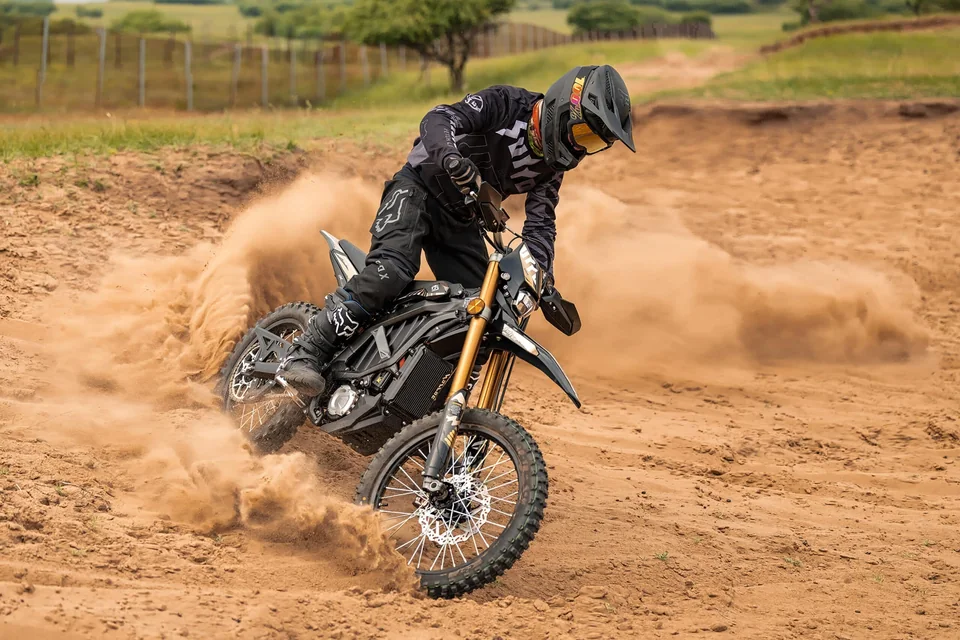
Compare charging, maintenance, riding controls, and ownership costs to decide whether an electric or gas dirt bike fits your riding.
The key specifications
On mobile, scroll the table horizontally.
| Criterion | Electric | Gas |
|---|---|---|
| Energy | Plan charging with a suitable installation | Refueling and fuel handling |
| Maintenance | Chassis and drivetrain still need service | Engine and chassis care according to model |
| Budget | Include battery and charging equipment | Include fuel and engine servicing |
| Riding access | Depends on vehicle status and site rules | Depends on vehicle status and site rules |
Electric appeal goes beyond acceleration
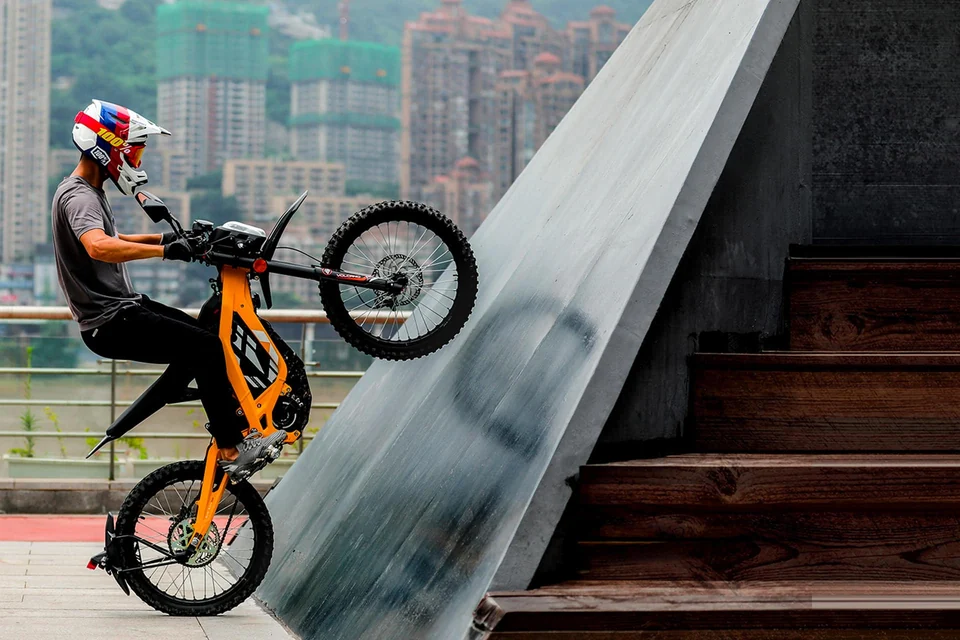
Electric dirt-bike videos have obvious appeal: acceleration, the compact size of some bikes, and no gear changes on the models discussed here. But a dramatic clip does not show ride preparation or charging time. A useful gas-versus-electric comparison considers the whole day.
An electric bike has no exhaust emissions while riding. That does not make it impact-free: manufacturing, the battery, and electricity generation also matter. We do not offer a carbon ranking here, which would require a comparable life-cycle analysis.
Plan energy around the riding location
For an electric motorcycle, charging before and after the session is central. A removable battery may simplify logistics when used according to the manufacturer’s instructions in an appropriate location. A second battery adds cost and transport weight; it is not a free convenience.
A gas bike may be refueled more quickly when fuel is available and appropriate transport and storage requirements are met. The better fit depends on the location, session length, and access to energy. For remote riding areas, resolve this before comparing power figures.
Maintenance changes; it does not disappear
An electric motorcycle avoids some combustion-engine maintenance operations. Tires, brakes, bearings, and suspension still need attention. Some designs also have a gearbox or reduction drive with its own requirements. The specific model’s schedule remains the reference.
Total ownership cost includes purchase, riding gear, consumables, service, applicable insurance, and a potential replacement battery. Without ownership length, riding frequency, and local quotes, a precise annual saving would be invented. Compare budgets over the same period and for the same use.
Less engine noise does not grant trail access
Electric drive changes the sound, but tires and the drivetrain are still audible. A quieter motorcycle does not gain permission to use a trail. Site rules, the operator’s authorization, and the bike’s legal status require separate checks.
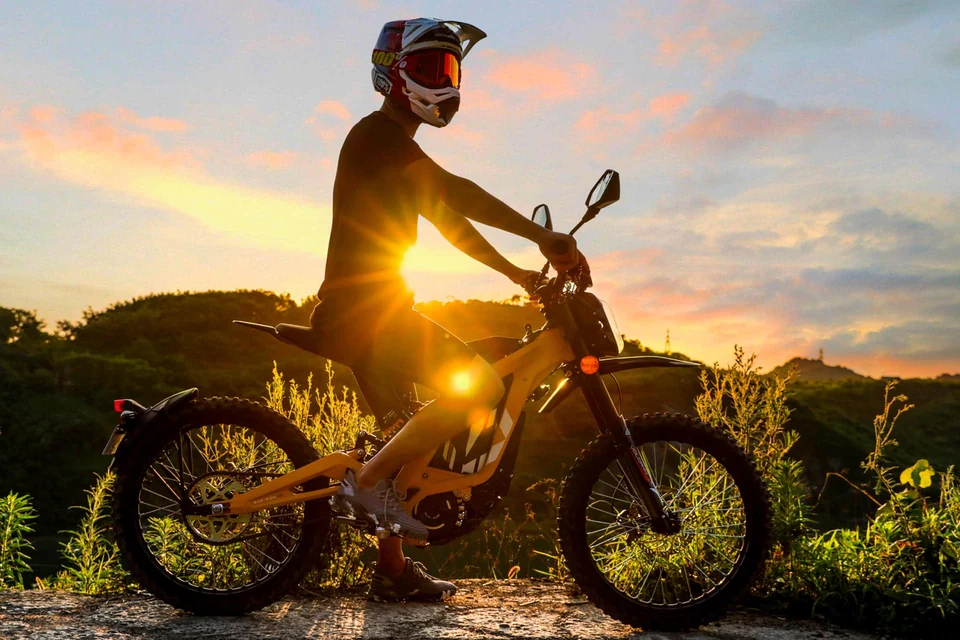
Compact Sur-Ron models make electric riding attractive with a package that can be easier to move than some full-size bikes. They are not automatically suitable for every discipline or rider. Define the riding area, session duration, and charging location first; then decide whether electric advantages solve a real need.
Sources and method
A documentary story. Sources for this issue were consulted September 18–19, 2026. Interpretations are editorial; cited creator tests are attributed to their authors. Plein Watt Moto does not claim to have conducted riding tests.